Johns Hopkins Bloomberg School of Public Health has launched an online U.S. measles tracker. The tool comes from the International Vaccine Access Center to monitor cases across the country. It gives families and doctors a clear way to see where the illness appears.
What is the U.S. Measles Tracker?
The new U.S. measles tracker brings together information about infections nationwide. Public health experts built it so anyone can see clear numbers without digging through complex reports. It helps people see trends in real time as local health departments share their numbers.
When an illness spreads quickly, fast information keeps communities safe. Health workers use these records to watch patterns and prepare clinics with proper supplies. Everyday citizens can also check local data before traveling or attending large group gatherings.
How does the tracker help stop outbreaks?
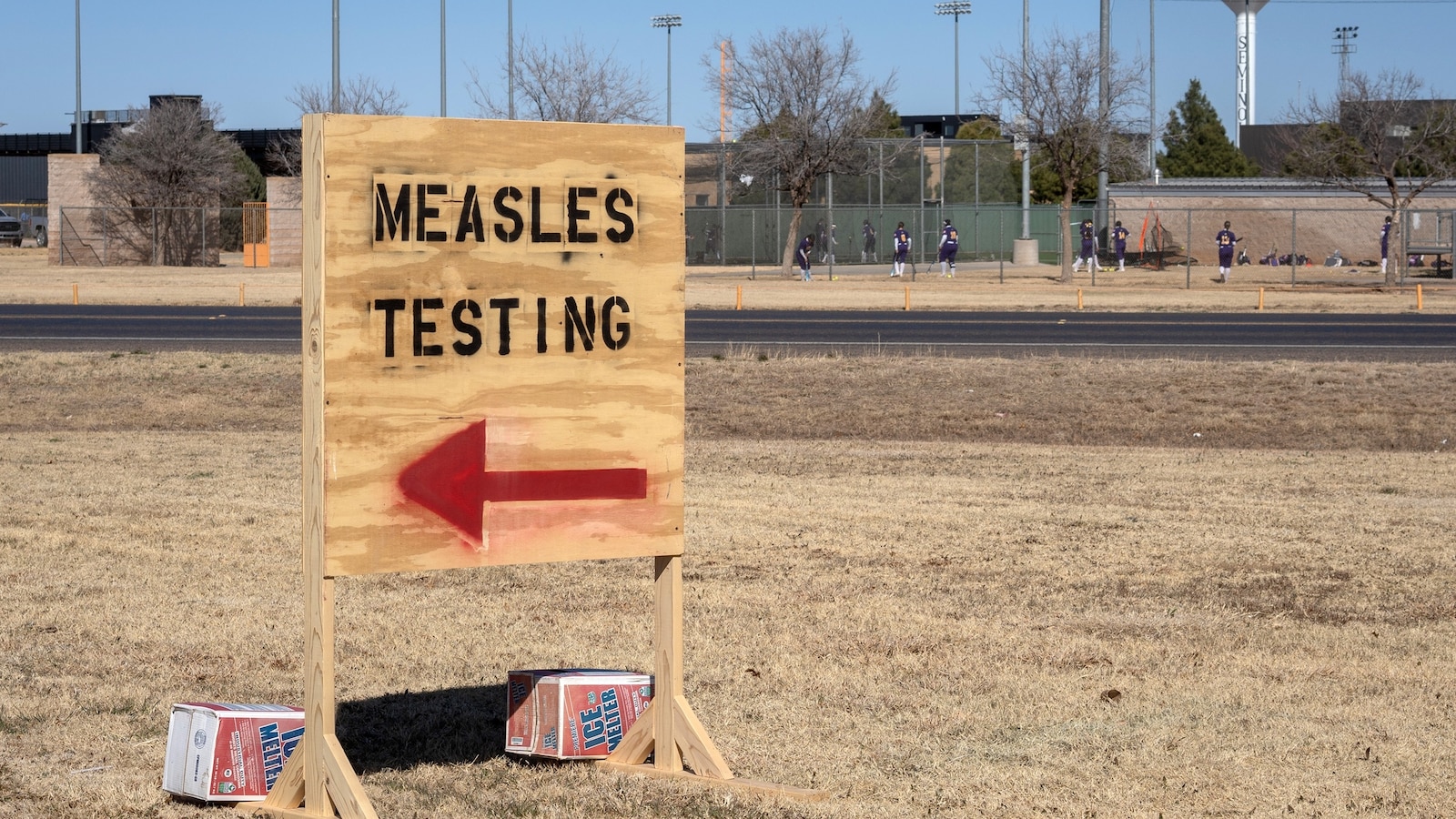
Tracking cases lets medical teams respond right away when a town reports sick patients. Fast tracking helped during the recent 2025 Southwest United States measles outbreak, where quick reports kept doctors ready. Finding cases early helps keep schools, daycares, and local businesses open safely.
The tracker gives communities a look at several key details at once:
- Case locations: Shows which states and counties have active illness.
- Spread speed: Helps doctors see if case counts are rising fast.
- Public safety: Warns clinics when they might need extra rooms and tests.
Having all this data in one spot helps stop confusion during a local outbreak. When facts are easy to see, people can make smart choices for their families.
Why are health experts watching measles so closely?
Measles is one of the most contagious sicknesses known to doctors today. The virus stays in the air for hours after a sick person leaves a room. Because it moves so quickly through crowds, even a tiny handful of cases can turn into a serious problem.
Public health leaders want everyone to remember the power of basic protection. Past events, such as the 2019 Tonga measles outbreak, showed how fast numbers jump when community immunity levels drop. Modern digital maps help catch these risks before they grow too large to stop easily.
What should you watch next?
Health departments across the nation will keep sharing their local numbers with the university team. As more towns add data, the tool will offer a fuller picture of national wellness. Experts hope this open data helps prevent sudden spikes through the spring and summer months.
You can check the online page anytime to see if your home state has reported any new cases. Doctors recommend talking to your family clinic if you have questions about your own shots. Staying informed is the simplest step to keep your household healthy this year.