Daily macro and markets briefing · US · UK · Global
Daily macro briefing

Central banks, inflation and currencies, in plain English.

Short, clear briefs on what rates, data releases and policy decisions mean for markets. No hype, no signals, no noise.

Topics Central Banks Inflation Currencies
Latest briefs
Showing posts with label Artificial Reef. Show all posts

Friday, November 13, 2026

SS United States Begins Final Journey to Become Reef

SS United States Begins Final Journey to Become Reef

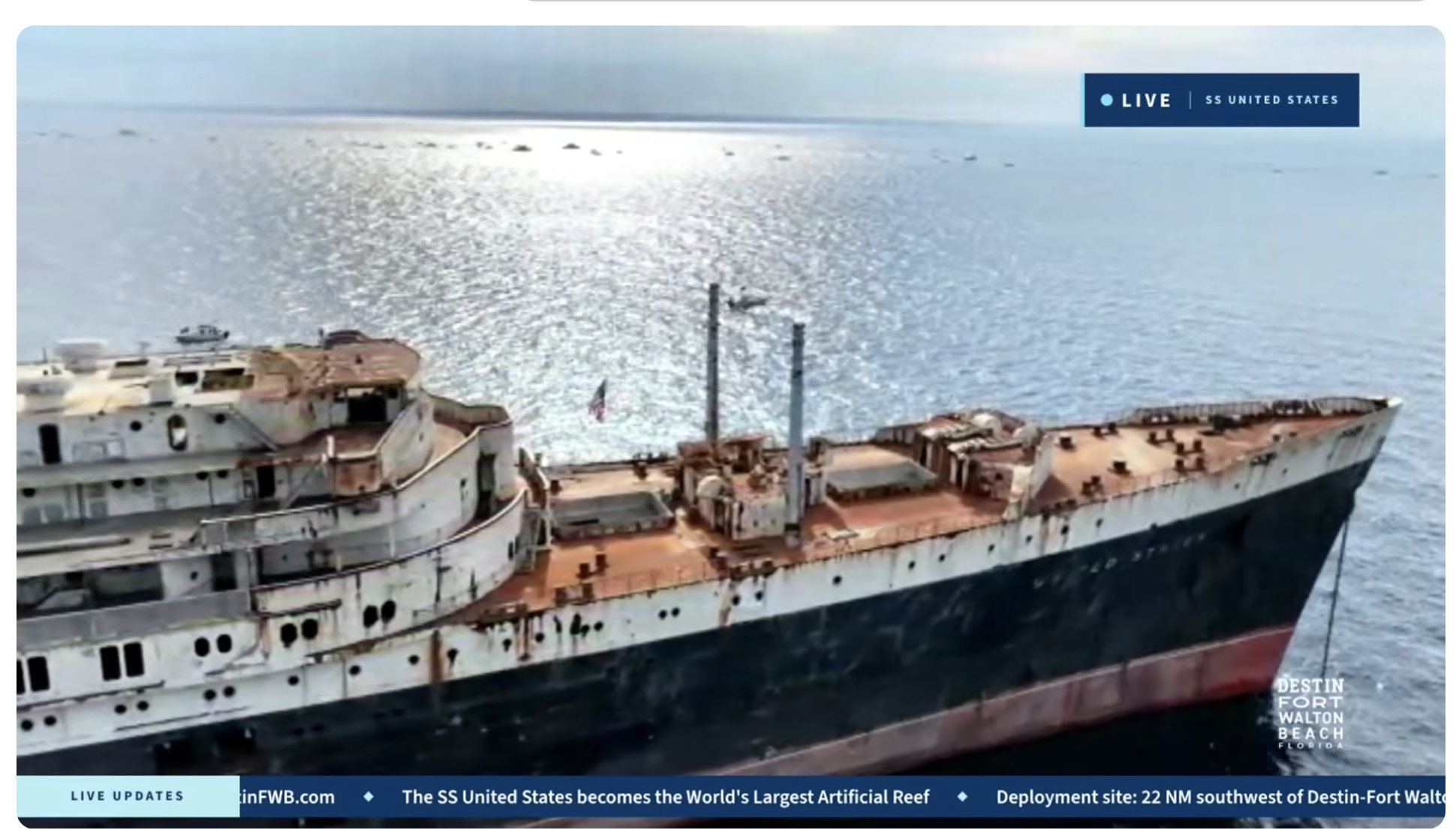
The famous ocean liner SS United States has started its final journey to become an artificial reef. Photos show the historic ship moving toward its new home in the ocean where it will sink to help sea life. This big trip marks the end of an era for the famous ship as it transitions to a new role.

What is happening to the SS United States?

The SS United States is taking its very last trip out on the water. Workers are moving the massive ship so it can be turned into an artificial reef. This process means the ship will be safely placed on the ocean floor to create a home for fish and other sea creatures.

New photos capture this big event as the ship leaves its old dock. People are watching the vessel move along the water one last time. It is a major historic moment for fans of big ships and American history.

Why is the SS United States becoming an artificial reef?

Turning old ships into reefs is a common way to help the environment. When a ship rests on the ocean floor, it gives sea animals a safe place to live and grow. Coral and plants can also attach to the metal walls of the ship over time.

Instead of being torn apart for scrap metal, the ocean liner gets a second life underwater. Local leaders hope the new reef will draw divers and tourists to the area. It turns a historic vessel into an exciting underwater park for everyone.

What happened before the SS United States final journey?

The ship sat in port for many years while people tried to figure out what to do with it. Groups worked hard to save the vessel from being destroyed. Eventually, the plan to turn it into an ocean reef became the best choice for its future.

Preparing a huge ship for the ocean floor takes a lot of careful work. Crews had to clean the ship and make sure it was safe for marine life before it could set sail. Now, the grand vessel is finally on its way to its final resting spot.

What should you expect to see next?

In the coming days, workers will finish moving the ship to the exact spot chosen for the reef. Once it is in the right place, teams will carefully sink the vessel down to the sea floor. Photos and videos will show the ship as it goes under the water.

After the ship sinks, fish and plants will quickly start to move into their new habitat. Divers will soon be able to swim down to explore the famous vessel. It will remain at the bottom of the ocean as a underwater spot for many years to come.

Thursday, November 12, 2026

SS United States sinks to become a reef off Florida

SS United States sinks to become a reef off Florida

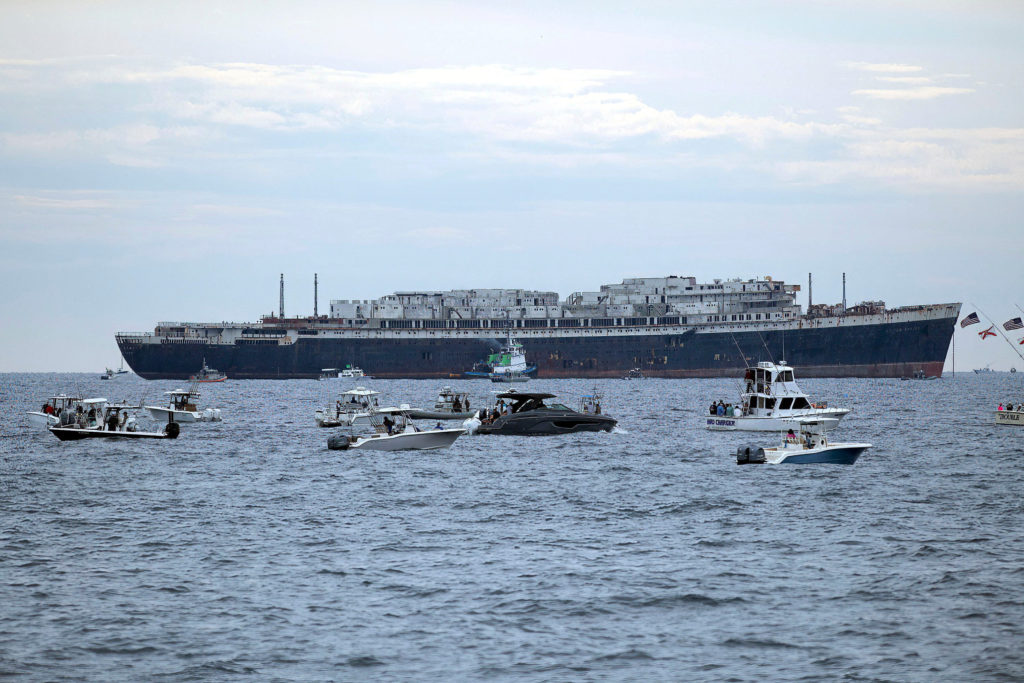
The SS United States has officially been sunk in the Gulf of Mexico to become an artificial reef. This historic vessel was once the fastest ocean liner in the world and now has a permanent home on the sea floor off the coast of Florida. Crews managed the sinking to ensure the ship settled properly for its new life underwater.

What happened to the SS United States ocean liner?

The SS United States was towed to its final location and carefully sunk to the bottom of the ocean. For decades, this ship held the record for crossing the Atlantic Ocean faster than any other passenger vessel. Now that it is underwater, the ship will provide a habitat for fish and coral to grow near the Florida coast.

Before the sinking, workers had to clean the ship and remove any materials that might hurt the environment. They stripped the interior and prepared the hull so it would sit safely on the sand. This project took a long time to plan because the ship is so large and carries so much history with it.

Why did they sink the SS United States?

Creating an artificial reef is a great way to help the ocean and bring in visitors. This ship will attract divers from all over the world who want to see a piece of history resting underwater. It will also help the local economy by supporting boat captains and dive shops in the nearby Florida towns.

  • The ship will act as a home for thousands of sea creatures.
  • It helps keep people from fishing in overused natural reef areas.
  • The ship is now part of the history of the United_States maritime legacy.
  • It serves as a permanent monument to American engineering and speed.

How will this help the Florida coast?

The new reef will help protect the shoreline by breaking up strong waves during big storms. As coral starts to grow on the metal hull, the structure will become even stronger and more complex. This process takes many years, but it starts as soon as the ship touches the bottom of the Gulf.

Marine biologists will watch the site to see how quickly fish move into the new rooms and hallways of the ship. They expect to see many different types of life making the SS United States their new home. This is a very common practice in Florida, but this ship is one of the largest ever used for a reef.

What is the history of the world's fastest ship?

The SS United States first sailed in the 1950s and was built to be faster and safer than any other ship. It was designed so that it could be turned into a troop ship if a war ever broke out. Because of this, the government helped pay for its construction during a busy time for the United States Congress and the military.

Even though it stopped carrying passengers long ago, many people worked hard to save it from being scrapped. They wanted to keep the ship whole so people would never forget how fast and powerful it was. Sinking it as a reef was seen as the best way to honor the ship while giving it a useful purpose for the future.Read More

Get in touch

Questions, corrections or partnership enquiries? Send a message and we will get back to you.

  • Corrections and feedback are welcome
  • Collaborations and guest briefs
  • No trading signals or personal financial advice

Send a message

Contact Form

Name

Email *

Message *