Daily macro and markets briefing · US · UK · Global
Daily macro briefing

Central banks, inflation and currencies, in plain English.

Short, clear briefs on what rates, data releases and policy decisions mean for markets. No hype, no signals, no noise.

Topics Central Banks Inflation Currencies
Latest briefs
Showing posts with label CDC. Show all posts

Sunday, November 15, 2026

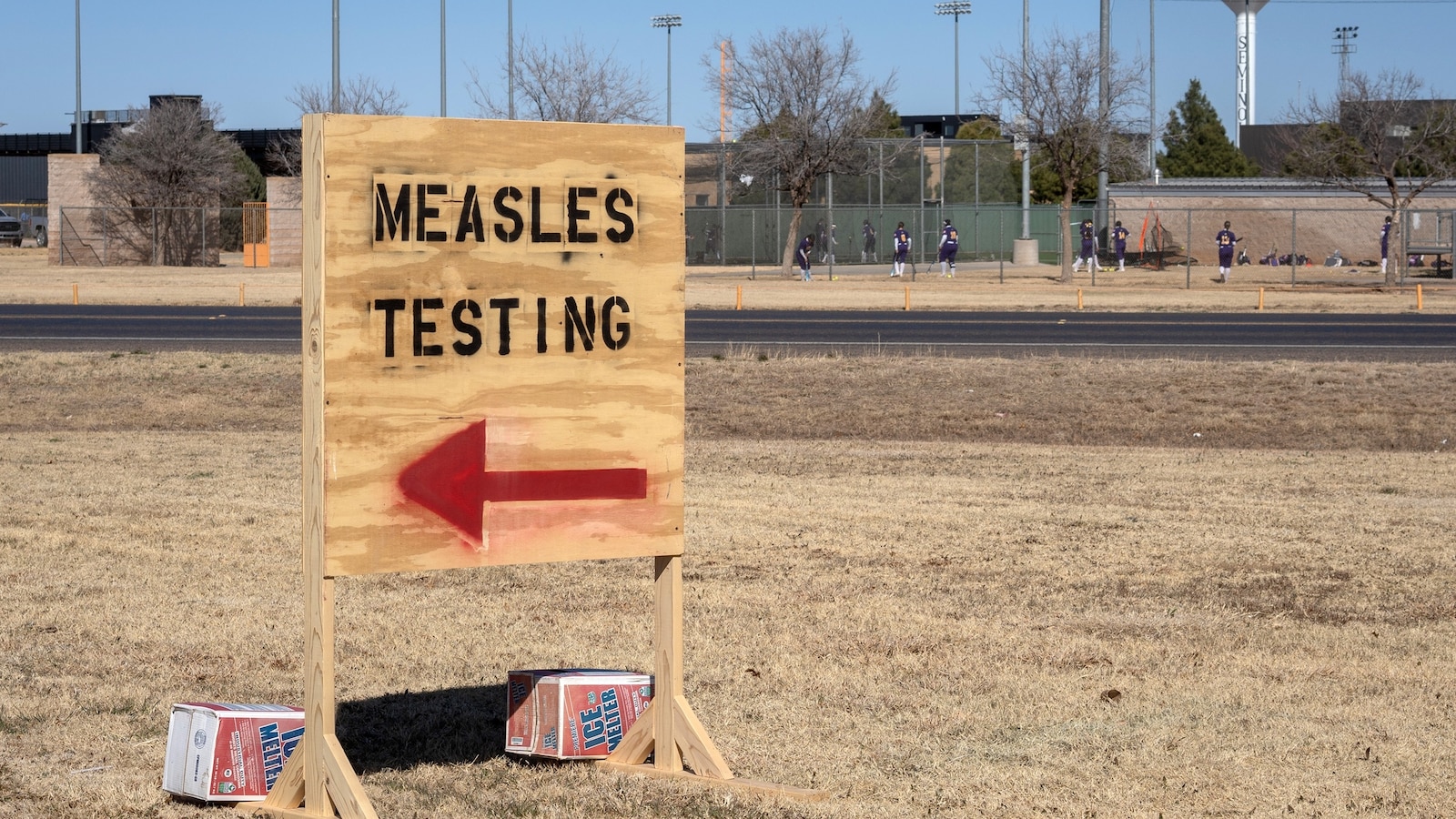
CDC Issues New Report on Measles Cases and Outbreaks

CDC Issues New Report on Measles Cases and Outbreaks

The Centers for Disease Control and Prevention released a new update on measles cases and outbreaks across the country. Health officials are watching these numbers closely as new illnesses appear. Families across the nation need to know what this update means for their daily health.

What are the symptoms of measles?

Many people wonder what are the symptoms of measles when reports start to spread. The illness often starts with a high fever, a cough, a runny nose, and red, watery eyes. A few days later, a red rash breaks out on the face and spreads down the rest of the body.

Doctors point out that measles spreads very fast through the air when an infected person coughs or sneezes. The virus can linger in an empty room for up to two hours after a sick person leaves. Because of this quick spread, early warning signs matter for every home and school.

Why measles cases and outbreaks are on the rise

Health experts say that changes in travel and lower vaccine rates in some towns help the virus return. When fewer people get their regular shots, communities lose the strong shield that kept the sickness away for years. A single person bringing the illness back from another region can trigger a quick spread among neighbors.

Recent years have seen a clear measles resurgence in the United States after decades of low numbers. Doctors warn that when pockets of unprotected people grow, the illness finds an easy path to spread. Keeping track of active local hotspots helps public health teams step in before clusters grow too large.

What you can do to protect your family

Parents and caregivers can take simple steps right away to protect their households from getting sick. Checking your family medical records is the best first move you can make today. You can talk to a local doctor or clinic if you are not sure about your current protection.

  • Check your shot records to make sure your family has full protection.
  • Call your doctor right away if you notice a fever paired with a body rash.
  • Stay away from crowded indoor spaces if you feel ill.
  • Follow local health alerts to see if cases are near your town.

What to watch for in the coming weeks

State health departments will continue to send fresh numbers to the federal agency as new tests come back. Local clinics are telling staff to watch for red spots and fever in waiting rooms. Fast testing helps keep tiny flare-ups from turning into big community problems.

You can stay safe by keeping an eye on local health notices in your area. Doctors will keep reminding parents that simple precautions make the biggest difference. Staying informed helps keep your schools, workplaces, and neighborhoods safe all year long.

Friday, November 13, 2026

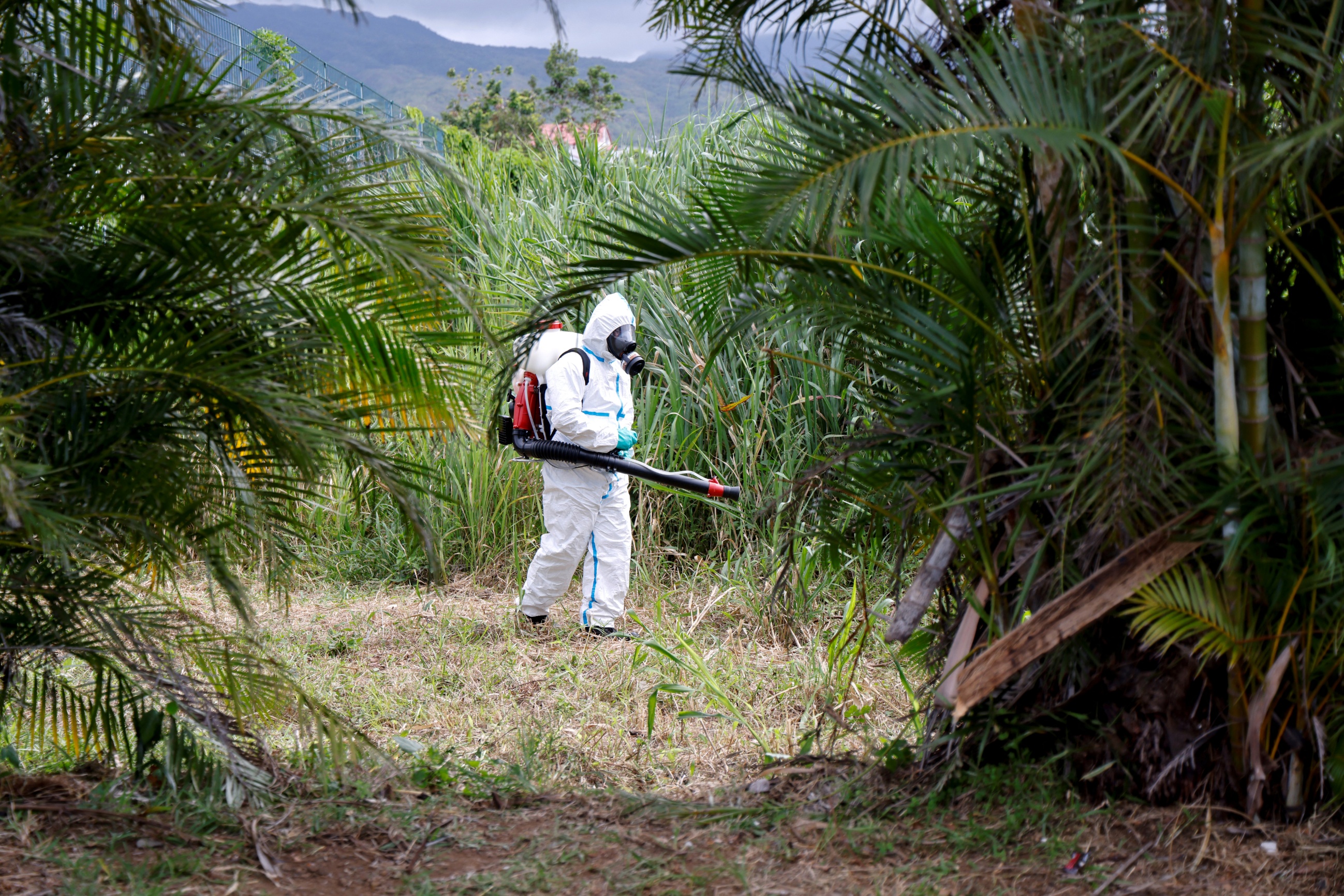
CDC Issues New Alert On Chikungunya In The United States

CDC Issues New Alert On Chikungunya In The United States

The Centers for Disease Control and Prevention released new public health information about Chikungunya in the United States three days ago. Health officials are tracking the virus to help Americans stay safe from mosquito bites. You can protect your family by learning the symptoms and keeping bugs away from your home.

What Is Chikungunya in the United States?

The CDC wants everyone to know how this virus moves from bugs to humans. Mosquitoes spread the virus when they bite an infected person and then bite someone else. Most people who get infected will feel sick within a few days. The most common signs of the illness are a high fever and strong pain in your joints.

Many patients also get headaches, muscle pain, joint swelling, or a red rash on their skin. While people rarely die from this illness, the pain can last for a very long time. Learn more about how the virus acts by reading about Chikungunya online. Most people feel better within a week, but some feel joint pain for months.

How Does Chikungunya Spread to People?

Mosquitoes that bite during the day are the main cause of this problem. These insects live near homes and lay eggs in standing water. If a mosquito bites an infected person, it can carry the illness to neighbors. That is why clean yards and bug spray are so important for every family.

Travelers can also bring the illness home after visiting other warm countries. When an infected traveler comes back to America, local mosquitoes can bite them and spread the sickness to others. Tracking these cases helps doctors stop local outbreaks before they grow larger. Officials keep track of these events using lists of Notifiable diseases in the United States to protect towns.

How Can You Protect Your Family Right Now?

You can take simple steps every day to keep mosquitoes away from your family. Use insect spray that has approved ingredients whenever you go outside. Wear long sleeves and pants if you spend time in the woods or near swampy places. Make sure your window screens are tight so bugs cannot fly into your house.

  • Dump out standing water in buckets, bird baths, and old tires twice a week.
  • Use bug spray on exposed skin when you spend time outdoors.
  • Wear loose, light clothing that covers your arms and legs.
  • Keep window screens closed tight to block bugs from entering your rooms.

Check around your house for any items that hold rainwater. Small caps, plant pots, and toys can hold enough water for mosquitoes to lay hundreds of eggs. Cleaning up your yard deprives the bugs of a place to grow. These quick tasks help keep your whole neighborhood safe and healthy.

What Should You Do If You Feel Sick?

If you get a sudden fever and sharp joint pain, talk to a doctor right away. Tell your doctor if you traveled out of the country recently or got bit by mosquitoes nearby. A quick blood test can help your doctor figure out if you have this specific virus or something else.

There is no special medicine to cure the virus right away, but rest helps your body heal. Drink plenty of water and take safe pain medicine to help you feel better. Stay indoors so local mosquitoes cannot bite you while you are sick. Taking these easy steps protects your friends and family while your body fights off the infection.

Get in touch

Questions, corrections or partnership enquiries? Send a message and we will get back to you.

  • Corrections and feedback are welcome
  • Collaborations and guest briefs
  • No trading signals or personal financial advice

Send a message

Contact Form

Name

Email *

Message *