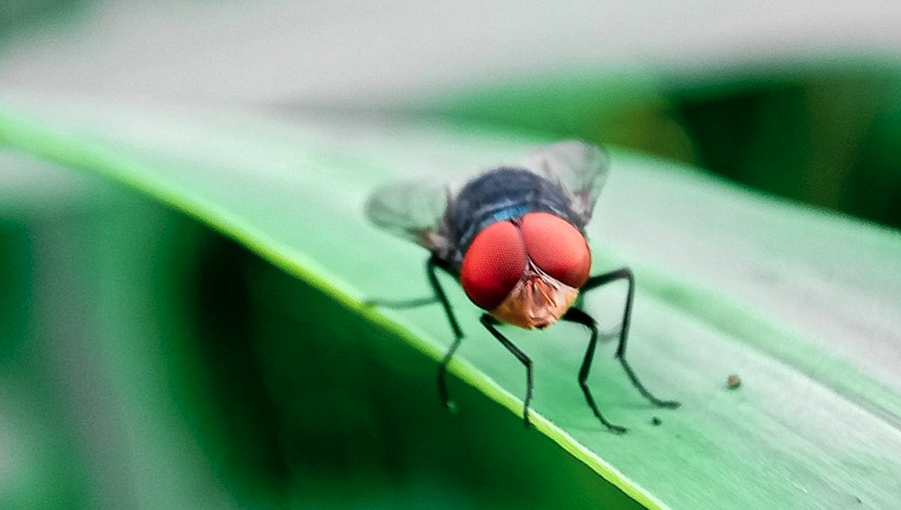
The Animal and Plant Health Inspection Service has confirmed new detections of the New World screwworm. This news comes directly from official government reports today. Experts are now watching the situation closely to stop the spread of these dangerous pests.
What is the New World screwworm?
The New World screwworm is a type of fly that can cause a lot of harm to warm-blooded animals. Unlike most flies that eat dead tissue, the larvae of this fly eat the living flesh of animals. They usually enter through a small cut or wound and can cause serious infections or even death if left untreated. This makes them a major concern for farmers and pet owners who need to keep their animals safe from harm.
These pests were once a massive problem in the United States many years ago. The government worked very hard to get rid of them using special science programs. Seeing them return is a big deal because it means the old threat is back in the picture. People who work with animals are being told to check their livestock every day for any signs of strange wounds or fly activity. Quick action is the best way to keep an infestation from getting worse in a local area.
Why are New World screwworm detections a problem?
When officials confirm these detections, it triggers a fast response from animal health experts. A small number of flies can quickly turn into a large population if they find enough hosts. This is why the government monitors the situation so carefully and shares the news with the public. They want everyone to be on the lookout so that the pest does not move into new states or regions. Any delay in finding the flies can lead to many sick animals and high costs for farmers.
The impact of this pest goes beyond just farm animals like cows and pigs. It can also hurt local wildlife like deer and even household pets like dogs and cats. Because these flies look for any open wound, even a tiny scratch can become a place for them to lay eggs. This creates a circle of infection that can spread through a whole neighborhood or forest very quickly. Keeping the population under control is the only way to protect the balance of the local environment.
How to protect your animals from pests
There are several steps you can take to make sure your animals stay healthy during an outbreak. It is important to stay informed and follow the advice of local animal health experts. Here are some key things to keep in mind:
- Check all animals daily for any cuts, scratches, or open sores.
- Keep wounds clean and treated so flies do not lay eggs in them.
- Report any strange maggots or flies to a local veterinarian immediately.
- Follow all travel rules if you are moving animals between different areas.
By following these simple steps, you can help stop the spread of the New World screwworm. Farmers are especially encouraged to watch their herds during the warmer months when flies are most active. If everyone works together, the community can catch new cases before they become a massive crisis. Science and careful watching are the best tools we have to fight back against these pests.
What will happen next with the screwworm?
The government will continue to track where the flies are found and take steps to kill them. They often use a method where they release sterile flies to stop the wild ones from having babies. This has worked in the past and is a safe way to handle the problem without using too many chemicals. We should expect more updates as the inspectors finish their work in the affected areas. You can learn more about how experts track these events by looking at the 2026 United States New World Screwworm outbreak history.
Ordinary people should not panic, but they should stay alert and watch the news for their specific county. If the detections stay in one small area, the problem might be solved quickly. However, if more cases appear in other places, the government might put more rules on moving animals. For now, the most important thing is to report anything suspicious to the authorities right away. Staying ahead of the pest is the only way to keep our animals and our food supply safe from this old enemy.